Spain win the 2026 World Cup, beating Argentina 1-0
Spain edged Argentina 1-0 after extra time on July 19, 2026 to win their second World Cup since 2010. Substitute Ferran Torres scored the decisive winner.
목차
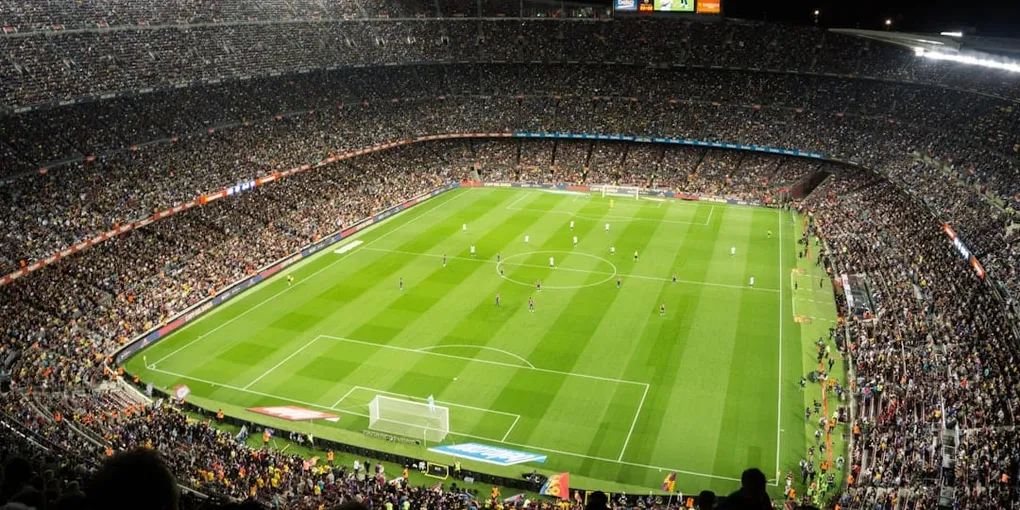
Spain are champions of the 2026 FIFA World Cup. In the final at MetLife Stadium in New Jersey on July 19, 2026, they beat Argentina 1-0 after extra time. It was 0-0 through 90 minutes. The tie was settled in the 105th minute by a single goal from substitute Ferran Torres. On what was likely Lionel Messi’s last World Cup stage, Spain forced silence and lifted the trophy (ESPN, FIFA).
- 1 - 0
- Final scoreWinner in the 105th minute
- 2nd
- Spain's total titlesFirst since 2010
- 1 goal in 7
- Goals conceded all tournament
- Rodri
- Golden Ball (MVP)
For Spain this is a second title, 16 years after South Africa 2010. And one more record comes with it: having won the 2023 Women’s World Cup, Spain became the first nation to hold the men’s and women’s World Cups at the same time (NBC News).
How the final unfolded
On the balance of play it was Spain’s game. Local outlets agreed the Spanish had smothered Messi and the Argentine attack for 90 minutes; Yahoo Sports led with a headline that Spain “suffocated Messi and Argentina.” With the game goalless in regulation, it went to extra time, and substitute Ferran Torres settled it in the 105th minute. It was how Spain had won all tournament: keep the ball, wear the opponent down, then strike once.
For Messi it is a bitter ending. Having stood on top in Qatar 2022, this time he settled for runner-up. That said, it is closer to the truth to credit Spain’s defensive organization than to blame any dip from him.
Spain’s road to the title
Spain’s start in Group H was not glamorous. They opened with a 0-0 draw against Cape Verde on June 15. But they thrashed Saudi Arabia 4-0 on June 21 and beat Uruguay 1-0 on June 26 to top the group into the knockouts (Yahoo Sports).
| Round | Opponent | Score |
|---|---|---|
| Group match 1 | Cape Verde | 0-0 draw |
| Group match 2 | Saudi Arabia | 4-0 win |
| Group match 3 | Uruguay | 1-0 win |
| Round of 32 / 16 | Austria / Portugal | win |
| Quarter-final | Belgium | 2-1 win |
| Semi-final | France | 2-0 win |
| Final | Argentina | 1-0 win (a.e.t.) |
Expanded to 48 nations, the tournament ran its knockouts from a round of 32. Spain got past Austria and Portugal in turn, then beat Belgium 2-1 in the quarter-final (FIFA Match Centre). That Belgium goal was the only one Spain conceded in the entire tournament. In the semi-final they saw off France 2-0, Mikel Oyarzabal opening with a 22nd-minute penalty and Pedro Porro sealing it in the 58th (CBS Sports). One goal conceded in seven games from group stage to final — the numbers say the title was built on defense.
Source: FIFA Match Centre & CBS Sports
| QF vs Belgium | 2goals |
|---|---|
| SF vs France | 2goals |
| Final vs Argentina | 1goals |
Who won the individual awards
The Golden Ball for tournament MVP went to Spain captain Rodri, for dominating midfield and setting the team’s rhythm on the biggest stage (ESPN, AFC). The Golden Glove for best goalkeeper went to Unai Simon — one goal conceded, translated straight into an award. The Young Player award went to 19-year-old Barcelona defender Pau Cubarsi (Yahoo Sports).
| Award | Winner | Nation |
|---|---|---|
| Golden Ball (MVP) | Rodri | Spain |
| Golden Boot (top scorer) | Kylian Mbappe | France |
| Golden Glove (GK) | Unai Simon | Spain |
| Young Player | Pau Cubarsi | Spain |
Lamine Yamal, tipped before the tournament as the Golden Ball favorite, finished without an individual prize; the trophies went instead to his compatriots Rodri and Cubarsi. No Spaniard topped the scoring charts either — the Golden Boot went to France’s Kylian Mbappe (GQ Middle East). Some reports put Mbappe’s final tally at 10 goals, but outlets differ, so this piece will not state a definitive number.
What was different about this tournament
The biggest change was scale. Growing from 32 to 48 nations enlarged the match count and the knockout structure wholesale, and the tournament was co-hosted across the United States, Canada and Mexico. The final venue, MetLife Stadium, sits in New Jersey.
One line from an editor’s viewpoint: this title is a textbook case of organization deciding the trophy over any single star’s firepower. Spain went the distance with a defensive record of one goal conceded in seven games, and the individual awards went to a midfielder, a goalkeeper and a teenage defender. Yamal and Mbappe, the names in lights before kickoff, did not end up where the pre-tournament hype placed them.
FAQ
- What was the score in the 2026 World Cup final?
- Spain 1-0 Argentina. The match was 0-0 after 90 minutes before Ferran Torres scored in the 105th minute of extra time.
- Who was named the final's MVP?
- The Golden Ball (tournament MVP) went to Spain captain and midfielder Rodri. The Golden Boot (top scorer) went to France's Kylian Mbappe.
- How many World Cups have Spain now won?
- Two — after 2010 in South Africa. Combined with the women's team's 2023 title, Spain became the first country to hold both World Cups simultaneously.
- Did Lamine Yamal win an award?
- No. The Young Player award went to fellow Spain defender Pau Cubarsi, and Yamal contributed to the team's win without an individual prize.