The best Korean sheet masks in 2026, by skin concern
Best Korean sheet masks for 2026: a five-hyaluronic-acid mask for hydration, a rice mask for glow, and a heartleaf mask to calm redness, with US/UK prices.
Contents
A sheet mask can raise surface hydration for a short period, but it is an optional single-use delivery format, not a required Korean skincare step. Choose one by its full essence formula, follow the package time and expect temporary comfort; it does not treat redness, pigment or a damaged barrier.
- label time
- how long to leave it onoften 10-20 minutes
- <25 min
- short-use study windowlonger wear raised dryness risk
- ~$2-4
- per sheet in a multipackcheck the pack count
- 0 required
- routine statusmoisturizer covers the daily role
What can a sheet mask realistically do?
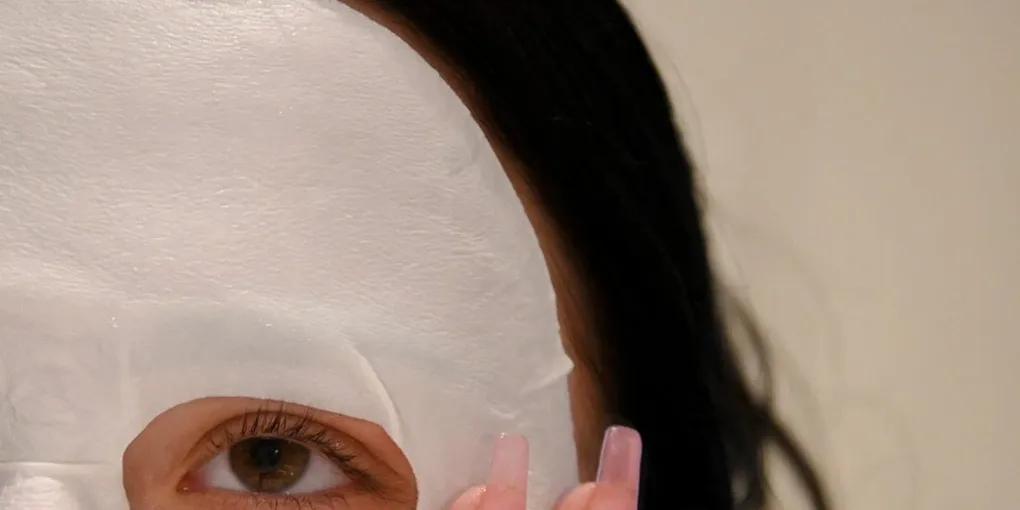
Its clearest job is short-term hydration. The sheet holds a water-rich essence against the face and slows evaporation while it is wet. That occlusive period can leave the stratum corneum feeling softer and looking temporarily smoother. It does not show that a botanical has reached deeper tissue or changed a chronic skin condition.
The American Academy of Dermatology’s mask guidance treats facial masks as an optional addition selected for a specific concern. It also warns that the wrong ingredients or excessive use can irritate skin. That is the right frame: a mask is a format for ingredients, not a benefit by itself.
A cooling sensation can make hot or tight skin feel better, yet cooling does not identify the cause of redness. Likewise, the smooth reflection seen immediately after removal is not proof of collagen production. If the effect disappears after washing or by the next day, the product still may have delivered useful temporary hydration; it simply did not perform the larger marketing story.
How long should you leave one on?
Follow the exact package, because materials and essence loads differ. Many conventional sheet masks specify 10 to 20 minutes. Remove one sooner if it burns, itches or becomes uncomfortable. Do not sleep in a mask unless that exact product is designed and labeled for overnight use.
A 2024 randomized study indexed in PubMed compared different sheet-mask materials and wear times in 28 participants. Hydration rose with short use, while wear beyond 25 minutes was associated with more dryness and redness; the authors reported redness in 10.71% and dryness in 57.14% of participants, especially with prolonged pure-water masks. This small study does not set one timer for every product, but it argues against assuming that longer is better.
The familiar warning that a dry sheet “sucks moisture back out” states an uncertain mechanism too confidently. The practical conclusion needs no folklore: the formula was tested and labeled for a stated exposure, and prolonged occlusion can become irritating. Use the label time.
How do the three masks compare?
| Concern | Mask | Key ingredient | Approx price |
|---|---|---|---|
| Humectant-heavy hydration | Torriden Dive-In | five listed forms of hyaluronic acid | ~$20-30 / 10 |
| Rice-and-niacinamide formula | I’m From Rice Beauty Sheet Mask | rice extract plus niacinamide | ~$17 / 5 |
| Heartleaf formula | Abib Gummy Heartleaf Sticker | heartleaf with a close-fitting sheet | ~$25 / 10 |
These are not ranked by a controlled head-to-head test. Torriden is the most direct match for someone who wants a simple humectant-led formula. I’m From adds niacinamide and rice marketing, which increases the number of claims without guaranteeing a stronger immediate result. Abib’s appeal is the heartleaf formula and “gummy” fit, but neither property proves treatment of reactive redness.
Pack math matters. Divide the current price by the number of individually sealed masks and check whether you are comparing five, ten or a single sheet. A low per-sheet sale is useful only if you will use the pack before its printed expiry and the formula suits you.
Which ingredient lane fits your goal?
For temporary hydration, prioritize glycerin, glycols, hyaluronic acid, panthenol and similar humectants over a dramatic plant story. Torriden Dive-Inad lists glycerin and several hyaluronates. The brand’s current page gives a 15-to-20-minute wear time and publishes the full ingredient list. Its “deep” and “five molecular sizes” language is brand marketing; the list itself confirms multiple forms, not the depth each reaches in living skin.
For a rice-and-niacinamide option, use the exact name I’m From Rice Beauty Sheet Maskad. The brand also sells jarred wash-off products with similar names, so “I’m From Rice Mask” is too ambiguous for a buying link. A five-sheet retailer listing confirms this sheet SKU. Rice does not establish “glow,” and niacinamide evidence from leave-on products cannot be copied directly to a short-contact sheet.
Abib Gummy Heartleaf Stickerad is the heartleaf choice. Abib markets its Heartleaf Gummy Sheet Mask around sheet adhesion and soothing. Both are manufacturer positions. Heartleaf does not guarantee that a finished formula will calm rosacea, allergic dermatitis or irritation from another active.
Who should skip a sheet mask?
Skip it on broken, weeping or freshly burned skin unless a clinician says otherwise. Also skip a new mask immediately before an important event: an unfamiliar fragrance, preservative or botanical can produce the opposite of the planned “glow.”
People with fragrance allergy, eczema, rosacea or a history of cosmetic reactions should read the full panel before purchase. The FDA’s cosmetics-allergen page identifies fragrance and preservatives among common allergen classes and explains that “hypoallergenic” or “for sensitive skin” language does not guarantee tolerance under a U.S. federal standard.
Stinging is not evidence that an active is working. Remove the sheet, rinse if the label instructs or residue continues to burn, and return to a routine you already tolerate. Swelling, hives, blistering or a spreading rash needs medical attention.
Refrigeration is optional only if the manufacturer permits it. A cool mask may feel pleasant, but storing cosmetics outside the specified temperature range can alter viscosity or preservation. Do not freeze a sheet or transfer leftover essence into an unclean container.
Can a sheet mask replace serum or moisturizer?
It can replace an optional hydrating serum for that session if the formula gives enough comfort. It does not always replace moisturizer, because many mask essences are humectant-heavy and light on occlusive ingredients. If skin still feels dry, apply a thin layer from the Korean moisturizer guide after removing the sheet.
You do not need toner, essence, serum, sheet mask and cream in one session. The repeated layers may share the same glycerin, niacinamide or hyaluronic acid. Use the mask after cleansing, then make the next step conditional: add cream only if you need it.
Acid, retinoid and strong vitamin C products deserve extra restraint on mask night. Occlusion can change exposure and a fragranced essence can irritate skin already challenged by an active. The safest test is not an elaborate compatibility chart; it is introducing one unfamiliar formula at a time.
How can you reduce cost and waste?
Reserve single-use sheets for travel, pre-makeup hydration or the occasional sensory ritual if those uses matter to you. For routine hydration, a bottle of serum or a jar of moisturizer usually yields many more applications with less individual packaging. That economic comparison does not make a sheet “bad”; it clarifies what you are paying for.
Do not reuse a sheet. Once opened and placed on the face, it has contacted skin and air, while the remaining packet was not designed as a multi-use sterile container. Patting leftover essence onto the neck immediately may fit some labels, but saving it for several days creates a preservation question the package did not promise to solve.
The decision is simple: buy a mask when the exact formula, timing and one-off experience justify the per-use price. Buy a moisturizer when the goal is daily management of dryness. Neither rice nor heartleaf changes that division of labor.
Prices, pack sizes and formulas are approximate as of July 2026 and change often. Check the exact SKU, per-sheet price, ingredient panel and package directions. Product comparisons use published labels and research, not personal testing.
FAQ
- How long should you leave a sheet mask on?
- Use the time on the package; many labels say roughly 10-20 minutes. Remove it sooner if it stings or feels uncomfortable.
- Does a dry sheet pull moisture from skin?
- That claim is often repeated but is not a reliable reason for a universal timer. The practical rule is to follow the manufacturer's directions and avoid leaving a cosmetic on longer than instructed.
- Are sheet masks necessary in a routine?
- No. They can provide temporary hydration, but a suitable moisturizer can cover the basic daily role.
- Does heartleaf treat facial redness?
- Not reliably. It is marketed as soothing, but redness has many causes and the finished formula may still irritate. Persistent redness needs professional assessment.